skip to Main Content
01-899 1900 info@strandum.com

Avoid Manual HR Processes with HRMS: Why a Tailored Solution is Essential

Implementing a Human Resource Management System (HRMS) should eliminate manual HR processes, streamline workflows, and enhance efficiency. However, many organisations still struggle with fragmented workflows and manual interventions even after investing in a digital HR system. This problem often stems from using off-the-shelf HRMS solutions that are not tailored to the unique needs and processes of the business.

The Challenge: One-Size-Fits-All HRMS Solutions

Many out-of-the-box HRMS products promise to handle various HR tasks, from recruitment to payroll. However, a one-size-fits-all solution often results in mismatched functionalities, forcing HR teams to revert to manual processes. This not only reduces productivity but also introduces errors and inconsistencies.

Common Issues with Off-the-Shelf HRMS Systems:

  1. Inflexible Features: Standard HRMS solutions may lack the specific features required for specialised industries or complex organisational structures. This lack of flexibility leads to manual workarounds and additional administrative burden.
  2. Limited Integration Capabilities: If an HRMS cannot integrate seamlessly with other core business systems such as accounting software or project management tools, it creates data silos and requires manual data entry across platforms.
  3. Generic User Experience: A standard HRMS may not cater to the diverse needs of your workforce, making it difficult to engage employees and provide them with the tools they need. This results in a disjointed user experience, causing employees to resort to manual processes to get their tasks done.

Why Manual Processes Persist Despite Digital Systems

Even with a digital HRMS, manual processes persist if the system is not adaptable or fails to fully automate workflows. Here are some common scenarios where manual processes continue:

  1. Manual Data Entry and Reporting: If the HRMS lacks advanced reporting capabilities or does not pull data from different sources, HR professionals may still need to manually export and compile reports.
  2. Incomplete Onboarding and Document Management: If the onboarding process is not fully digitised or does not integrate with document management systems, HR staff must manually handle paperwork, increasing the risk of delays and compliance breaches.
  3. Approval Workflows Reverting to Manual Processes: When systems don’t offer flexible approval workflows, routine tasks such as leave requests or expense approvals often revert to email chains and manual tracking.
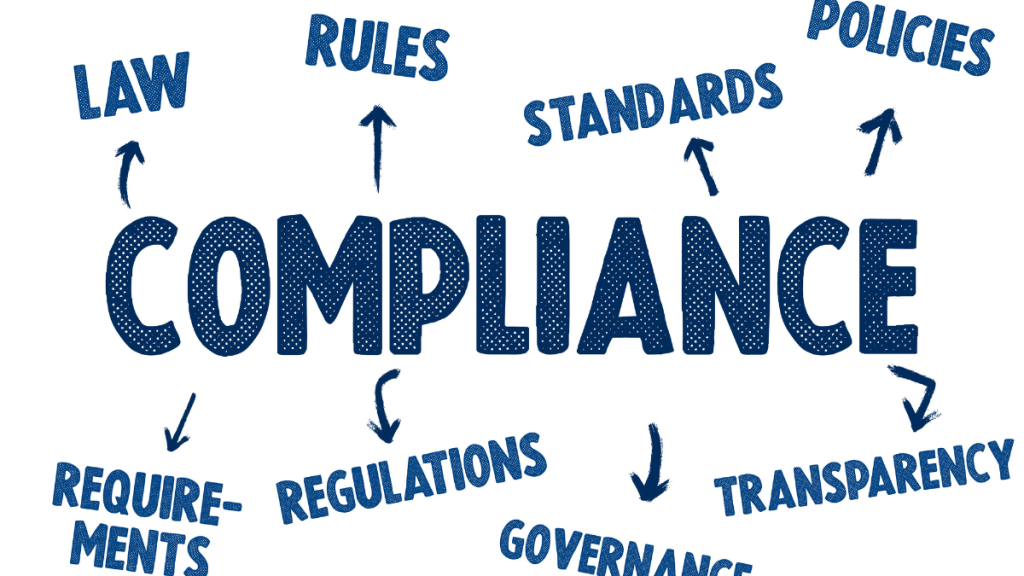
  4. Compliance Risks: Outdated HRMS systems can complicate compliance management, leading to manual tracking of policy acknowledgements, training completions, and other critical updates. This is particularly problematic when dealing with location-specific regulations.
The Hidden Costs of Manual HR Processes

Every manual HR process comes with hidden costs—both in terms of time and productivity. Manual interventions increase the risk of errors, consume valuable HR resources, and delay critical HR functions. Ultimately, relying on manual processes can lead to:

  • Increased Administrative Burden: Manually updating records or handling complex workflows can occupy a significant portion of HR staff time, preventing them from focusing on strategic activities.
  • Data Inaccuracies: Manual data entry increases the likelihood of errors, leading to inconsistencies that affect decision-making and compliance.
  • Employee Dissatisfaction: When employees must navigate complicated manual workflows, it impacts their experience and engagement, potentially leading to higher turnover rates.

Avoid Manual HR Processes with a Tailored HRMS Solution

To truly avoid manual HR processes, companies need an HRMS that aligns with their unique workflows, compliance requirements, and business goals. This is where a tailored solution becomes essential. Unlike rigid, off-the-shelf systems, a tailored HRMS can adapt to your organisation’s specific processes, integrate seamlessly with other tools, and offer the flexibility to scale as your business evolves.

Key Benefits of a Tailored HRMS:

  1. Custom Workflows to Avoid Manual Interventions: Build workflows that match your organisation’s approval processes, eliminating the need for manual interventions and automating repetitive tasks.
  2. Seamless Integration Across Business Systems: Connect with other core systems like financial platforms or project management tools, creating a unified data flow and reducing manual data entry.
  3. Enhanced Employee Experience: Customise dashboards, portals, and engagement tools to suit the diverse needs of your workforce, from remote teams to deskless workers.
  4. Scalability for Future Growth: As your company expands, a tailored HRMS can easily adapt to new locations, roles, or compliance requirements without losing efficiency.

How Strandum Can Help You Avoid Manual HR Processes

At Strandum, we understand that no two organisations are the same. Our solutions are designed to eliminate manual HR processes by providing tailored features and integration options that fit your business needs. Whether your organisation requires complex approval workflows, comprehensive compliance tracking, or integration with multiple platforms, we can ensure that our HRMS works for you—not the other way around.

By focusing on creating customised solutions that adapt to your business, Strandum empowers HR teams to avoid manual processes and focus on strategic initiatives that drive business success.

Ready to avoid manual HR processes and make your HRMS truly work for you? Contact us today to learn more about how a tailored solution can transform your HR operations.

ROS Submission Ireland: How Strandum Helps Irish Businesses Stay Compliant

How the Strandum Expense Module Simplifies ROS Expense Management and Compliance

In Ireland, meeting ROS submission obligations can be challenging for businesses. Section 897C of the Finance Act 2022 requires compliance. The Strandum Expense Module simplifies ROS Submission by automating expense reporting. This includes small benefit exemptions, remote working allowances, and travel expenses. Businesses must keep records accurate and ready for submission via Revenue Online Service (ROS). This includes small benefit exemptions and remote working daily allowances.

The Strandum Expense Management Module helps your organisation stay on top of these requirements. by providing automated ROS-compliant file generation. This not only simplifies compliance but also enhances your overall expense management process.

Understanding Section 897C: Key ROS Reporting Requirements in the Finance Act 2022

The Finance Act 2022 introduced new Enhanced Reporting Requirements (ERR), specifically Section 897C, which mandates employers to report specific details of certain expenses and benefits made to employees or directors. These include:

  • Small benefit exemptions
  • Remote working daily allowances
  • Travel and subsistence expenses

From 1 January 2024, businesses must submit detailed reports of these payments using ROS, ensuring that each submission is made on, or before, the payment date.

How the Strandum Expense Management Module Helps You Stay Compliant

Strandum’s Expense Management Module offers a streamlined, automated solution. It helps your business stay compliant with the Finance Act 2022—without the headache of manual data entry and complex tax rules.

How the Strandum Module Eases ROS Submissions

  1. Automated ROS File Generation The Strandum Expense Module captures all necessary expense details, including dates, amounts, and categories. It then compiles this data into a ROS-compliant file. You can effortlessly upload this file to Revenue Online Service, eliminating the need for manual preparation
  2. Comprehensive Expense Categorisation Whether it’s small benefit exemptions, remote working allowances, or travel and subsistence expenses, the module categorises each expense in compliance with ROS reporting rules. This ensures that no required information is missed.
  3. Real-Time Tracking and Reporting Managers and HR teams gain full visibility of reported expenses, including a real-time audit trail. This allows for quick reference and ensures compliance with both internal policies and tax regulations.
  4. Flexible Payroll Integration The module offers flexible payroll integration, ensuring that expenses are properly tracked and reported in line with payroll cycles. This seamless integration further enhances the accuracy of your reporting.
A business setting with professionals reviewing expense reports, with the screen showing tax submissions to ROS for visual relevance.

Benefits of Using Strandum for ERR Compliance

By integrating ROS-compliant functionality into your expense management process, Strandum delivers several key benefits:

  • Time Efficiency: No more manual data entry or last-minute scrambling to meet ROS reporting deadlines. Strandum automates the entire process, allowing your team to focus on more strategic tasks.
  • Reduced Errors: Human errors in tax submissions can lead to penalties or compliance issues. Strandum’s automated approach minimises the risk of mistakes, ensuring accurate submissions every time.
  • Enhanced Financial Transparency: With real-time visibility into expenses and robust reporting features, Strandum empowers businesses to maintain full transparency and control over company expenditures.

How to Get Started with Strandum Expense Management

Implementing the Strandum Expense Management Module is straightforward. Our user-friendly platform allows for easy integration with your existing systems, and our team is ready to support you throughout the process. With Strandum, staying compliant with the Finance Act 2022 and ROS submission requirements is easier than ever.

Contact us today to learn more about how our solution can help streamline your expense management and ensure your business is always tax-compliant.

Why Choosing a Home Grown HRMS Partner Like Strandum Makes Perfect Sense

When it comes to HR software, working with a partner that truly understands your organisation, your challenges, and the nuances of Irish Employment Law makes a real difference.


At Strandum, we offer much more than just software, we deliver expertise, partnership, and personal service through our locally based teams, all backed by decades of hands-on experience supporting HRMS solutions across public service, healthcare, and private sector organisations.

And while we remain proudly Irish-owned and headquartered in Dublin, we also support clients with operations in multiple international markets, ensuring your Strandum system can grow with you, wherever your business takes you.

By combining the specialist skills of our software engineering team with insights gathered from our extensive Irish customer base and international clients, we ensure every solution is a perfect fit for the unique requirements of each organisation, whether they operate locally, nationally, or globally.

Tailored HRMS Solutions in Ireland

At Strandum, we understand that every organisation has distinct challenges and requirements. Our in-house software offers unparalleled customisation. It ensures that your HR management system aligns perfectly with your business objectives. Our bespoke HRMS solutions cater to the intricate nuances of your operations, delivering efficiency, compliance, and strategic advantage right at your fingertips.

Staying Compliant with Local Regulations and Employment Laws in Ireland

HRMS software ensuring compliance with local employment regulations in Ireland

With Strandum you have complete peace of mind knowing that any changes in regulations or Employment Law will be automatically updated in your system, ensuring total compliance

A Dedicated Account Manager by Your Side

At the heart of the Strandum experience is your dedicated Account Manager, your advocate within Strandum, investing significant time to understand your business, processes, and priorities.

They’ll:
 Customise your roll-out plan around your organisation’s existing priorities.
 Develop a tailored training plan for your users.
 Agree realistic project milestones, with the flexibility to adapt as your needs evolve.
 Build a collaborative working relationship through regular in-person and virtual
meetings, calls, and catch-ups.

Many of our clients see their Account Manager as an extension of their HR team.

Flexibility and Scalability

A Local Partner with International Reach

When you choose Strandum, you’re partnering with a company that’s as committed to Irish organisations as you are, while also having the expertise to support your international operations.
Our growing portfolio of clients includes businesses with cross-border teams, multiple legal jurisdictions, and international HR management requirements. We understand the complexities of operating both locally and globally and ensure your HRMS can seamlessly support both.

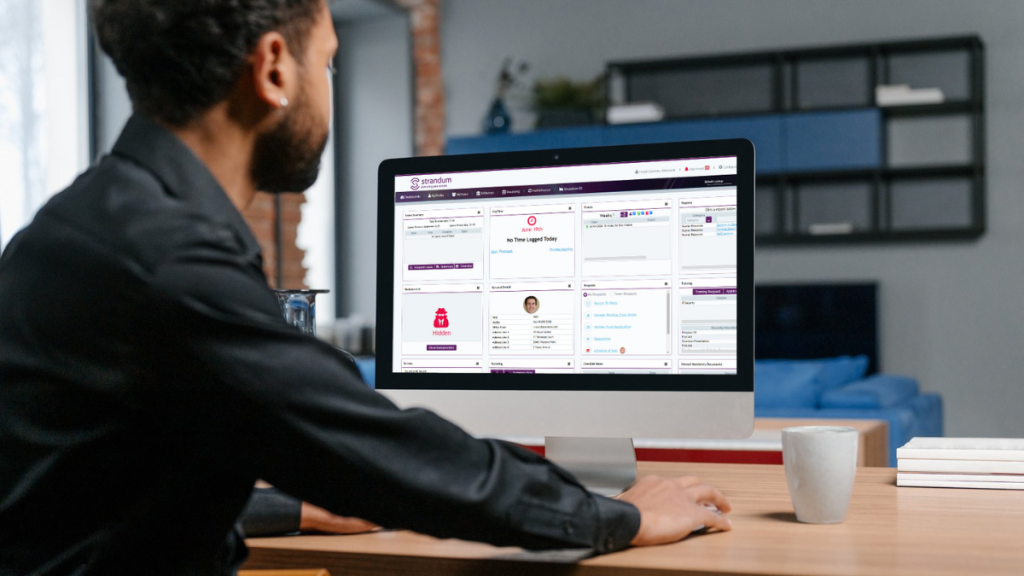
Customised HRMS dashboard displaying analytics and reports

Let’s Talk

If you’d like to learn more about how Strandum can support your organisation, whether
your team is in Ireland, overseas, or both, we’d love to hear from you.

Visit www.strandum.com or contact your Account Manager directly.

The Best HRMS for Healthcare in Ireland

The Best HRMS for Healthcare in Ireland: Tackling Industry Challenges and Embracing Flexibility

The healthcare sector in Ireland is evolving. HR professionals now face new challenges, like finding the best HRMS for healthcare in Ireland. As healthcare evolves in Ireland, HR professionals face greater demands. They must juggle diverse schedules and ensure regulatory compliance. Explore how the right HRMS can streamline operations, enhance flexibility, and boost satisfaction.

Navigating Compliance and Regulatory Standards with the Best HRMS for Healthcare in Ireland

Healthcare organisations in Ireland must follow strict guidelines by the HSE and HIQA. Thus, using the best HRMS for healthcare in Ireland is essential. HR teams must ensure all employees are properly trained, certified, and compliant with these standards. The best HRMS for healthcare will offer robust compliance management features, including automated tracking of certifications, training records, and regulatory updates.

How Strandum’s HRMS Supports Compliance and Regulatory Standards in Healthcare in Ireland

  • Strandum offers robust compliance management features, including automated tracking of certifications, training records, and regulatory updates, ensuring that healthcare organisations in Ireland adhere to strict regulatory guidelines set forth by the HSE and HIQA.
  • Our HRMS helps HR teams ensure that all employees receive proper training, certification, and compliance, fostering peace of mind and regulatory adherence
Healthcare professionals ensuring compliance with regulatory standards using the best HRMS for healthcare in Ireland.

Managing Shift Schedules and Staffing:

Flexibility in scheduling is essential in Ireland’s healthcare. Round-the-clock care requires the best HRMS for healthcare HR professionals must manage shifts, allocate resources, and ensure adequate staffing to meet patient needs. The best HRMS should offer advanced scheduling features like shift bidding, self-service scheduling, and real-time staffing visibility.

How Strandum’s HRMS Supports Compliance and Regulatory Standards in Healthcare in Ireland

  • Strandum’s HRMS provides advanced scheduling capabilities such as shift bidding, self-service scheduling, and real-time visibility into staffing levels.
  • With Strandum, HR professionals can efficiently manage shift schedules, allocate resources, and ensure adequate staffing levels to meet patient needs.

Enhancing Employee Engagement and Satisfaction:

Employee engagement is crucial, particularly in high-stress healthcare environments where burnout and turnover rates may increase. Therefore, the best HRMS for healthcare is necessary. Moreover, HR professionals must foster a positive work culture, offer professional development opportunities, and prioritise employee well-being. The right HRMS will facilitate communication, recognition, and feedback loops, empowering employees to feel valued and engaged in their work.

How Strandum’s HRMS Supports Engagement and Satisfaction in Healthcare in Ireland

  • Strandum facilitates communication, recognition, and feedback loops with our Newsfeed and Survey system, empowering employees to feel valued and engaged in their work.
  • With Strandum, HR professionals can foster a positive work culture, provide opportunities for professional development, and prioritise employee well-being, leading to improved engagement and satisfaction.

Embracing Flexibility and Remote Work:

Furthermore, the COVID-19 pandemic has accelerated remote work and telehealth adoption in healthcare. HR teams, therefore, must adapt by offering flexible work arrangements and supporting remote collaboration. Thus, the ideal HRMS for healthcare should offer mobile-friendly interfaces, cloud-based accessibility, and collaboration tools tailored for remote work.

How Strandum’s HRMS Supports Flexibility and Remote Work in Healthcare in Ireland

  • Furthermore, Strandum provides mobile-friendly interfaces, cloud-based accessibility, and collaboration tools tailored to remote work environments.
  • Our HRMS enables HR teams to adapt to the new reality of remote work and telehealth services by providing flexible work arrangements and supporting remote collaboration.

Conclusion

In conclusion, Strandum’s HRMS is the ideal solution for healthcare organisations in Ireland, offering the best HRMS for healthcare in the industry. By investing in our HRMS, organisations can streamline operations, enhance workforce management, and ultimately deliver better patient care. With our technology and focus on innovation, healthcare HR teams can confidently navigate industry challenges with efficiency and flexibility.

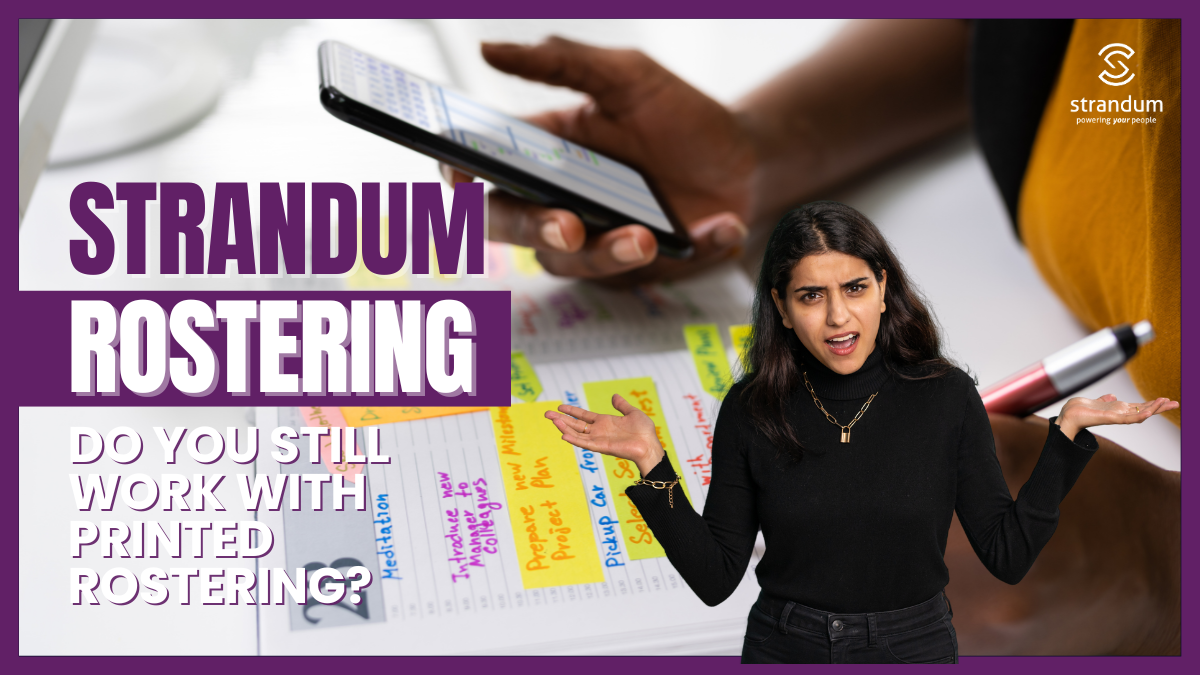
Revolutionise Your Workforce Scheduling with Strandum’s Rostering Module

Experience the full advantages of Strandum’s Rostering Module, a crucial element of our sophisticated HR management software, aimed at optimising your workforce scheduling. This module is a game-changer, providing significant flexibility and efficiency in managing team rosters.

Why Opt for Strandum’s Rostering Solutions?

Innovative and Accessible

Strandum’s Rostering module leads the way in scheduling innovation. The platform is designed to be user-friendly, simplifying complex scheduling tasks and making them accessible to managers and administrators. By choosing Strandum, you integrate a smoother, more natural workflow into your daily operations.

Comprehensive Integration

Strandum stands out by offering an integrated system that goes beyond basic scheduling. It includes Leave Management and Time & Attendance systems, working together to deliver a unified and extensive HR management solution. This interconnectedness minimises administrative tasks and enhances efficiency throughout your organisation.

Tailored to Your Needs

Recognising the unique requirements of each business, Strandum’s software allows for extensive customisation. It offers specific rules, shift prerequisites, and detailed access controls, enabling you to customise the system to perfectly fit your business demands, ensuring optimal staff coverage without any compromise.

Dedicated Support

With Strandum, you gain more than just a tool; you gain a partner. Our support team is fully committed to your success, providing continuous support, training, and advice to ensure you make the most of our software.

Explore the Core Features and Benefits of Strandum’s Rostering Module

  • Flexible Scheduling Options: Configure detailed rosters that meet specific coverage needs through an intuitive interface that supports bespoke rules and shift preferences.
  • Advanced Access Management: Efficiently manage who can alter schedules with robust security features, ensuring that only authorised personnel have scheduling power.
  • Seamless Communication Tools: Distribute schedules effortlessly through direct email and mobile app notifications, keeping everyone informed and engaged.
  • Budget Oversight: Utilise real-time budget tracking and variance analyses to manage your financials effectively, preventing any overspending.
  • Attendance Integration: Streamline attendance monitoring with automated adjustments for non-compliance and easy payroll integration.
  • Detailed Analytics and Reports: Gain valuable insights into your scheduling practices and financials with comprehensive reports, aiding strategic decision-making.
  • Coordinated Leave Management: Avoid scheduling conflicts with a leave management system that integrates seamlessly, ensuring continuous operation.

Efficient Document Management with Strandum: Enhance Your HR Efficiency Without Extra Fees

Strandum Document Management System interface showing secure and accessible document management features for HR departments.

Introduction

Today, the business world is rapidly evolving. Consequently, Strandum Document Management has become a pivotal tool in efficient HR operations. Moreover, it offers robust capabilities for storing, viewing, and managing HR documents. This range includes employee handbooks, policy documents, contracts, and disciplinary records. Furthermore, Strandum ensures these documents are not only accessible but also secure and straightforward to manage. In this article, we will explore how Strandum’s Document Management module, provided at no extra cost, is transforming HR departments. Specifically, it streamlines access to documents for both managers and employees alike

Strandum Document Management: A Closer Look

Centralised Document Accessibility

At the heart of Strandum’s Document Management system lies the promise of centralised accessibility. Whether it’s employee handbooks, policy documents, operating manuals, or other critical documents, Strandum ensures they’re always accessible online. This accessibility extends to both managers and employees via MyTeam and MyProfile portals, guaranteeing that the most current versions of documents are available on-demand.

Unparalleled Security and Privacy

Security isn’t just a feature; it’s a foundation. Strandum’s Document Management module comes equipped with comprehensive security measures designed to safeguard both public and private documents. The system provides detailed control over who can access specific documents, allowing HR teams to assign document visibility on a per-document basis. This means that sensitive information, such as employment contracts or disciplinary records, remains protected and confidential.

Empowering the HR Team

The true power of Strandum’s Document Management system is its ability to empower HR professionals. By granting them control over which documents are stored and accessible for each employee’s record, it facilitates a tailored approach to document management. This granular level of control ensures that each employee has access to necessary documents, from contracts to disciplinary records, while also maintaining organisational security standards.

Enhancing Document Management with Strandum: Key Benefits

  • No Additional Fees: Integrated directly into Strandum’s principal module, the Document Management system offers advanced features without extra costs.
  • Ease of Use: Designed with user experience in mind, the system allows for quick uploading, categorisation, and retrieval of documents.
  • Custom Access Controls: Tailor document access permissions to suit the unique needs of your organisation, enhancing both security and efficiency.

SEO Strategy Integration

To optimise this article for search engines and enhance its visibility, we’ve incorporated several key SEO strategies:

  • Focus Keyphrases: Throughout the article, we’ve integrated focus keyphrases like “Strandum Document Management” and “HR Document Storage,” ensuring that the content remains relevant and highly discoverable.
  • Keyphrase Density: By maintaining a balanced keyphrase density, the article remains engaging and informative without compromising on SEO.
  • Internal and Outbound Links: Strategic linking to related content within your site, as well as to authoritative external sources, enriches the article’s value and boosts its search engine ranking.
  • Image Optimisation: Including images related to HR document management, tagged with relevant keyphrases, enhances the article’s visual appeal and SEO performance.
  • Meta Description and SEO Title: Crafted to capture attention and include focus keyphrases, these elements are succinct yet descriptive, perfectly aligned with the article’s content.

Conclusion

Strandum’s Document Management module represents a paradigm shift in how organisations approach document management within HR. By offering a secure, accessible, and easy-to-use system without additional fees, Strandum not only simplifies document management but also propels HR departments towards greater efficiency and effectiveness. Embrace the future of HR document management with Strandum and unlock the full potential of your organisation’s HR practices.

HR Strategic Planning Essentials for the New Year

Understanding HR Strategic Planning Essentials is crucial for HR professionals as the new year begins. This guide will focus on the critical areas needed for effective HR management and strategy development.

HR team brainstorming and setting goals.

HR Strategic Planning Essentials: Setting Goals

The year’s onset is an ideal time for HR professionals to establish clear, strategic goals. These objectives should be in alignment with the broader business strategies and may include:

  • Workforce planning
  • Talent management
  • Employee engagement and retention targets

Performance Reviews: A Pillar of HR Strategy

Performance review session, a key part of HR strategic planning

Conducting performance reviews from the previous year is a pivotal role of HR. This process involves:

Training and Compliance in HR Strategy

HR training session emphasizing strategic essentials

The start of the year is a prime time for planning employee training and development programs. HR must also ensure that all policies are compliant with current laws and regulations. This dual focus includes:

  • Scheduling training sessions
  • Updating HR policies to reflect new laws

Effective Budgeting in HR Planning

Reviewing and allocating the HR budget is crucial. This includes planning for expenditures like new HR systems, recruitment campaigns, and training programs.

Employee Engagement in HR Strategy

HR professionals play a key role in promoting employee well-being and engagement. Initiatives may include:

  • Planning morale-boosting activities
  • Implementing well-being programs

Key Recruitment and Succession Planning Techniques

Developing a robust recruitment strategy and planning for future leadership are essential. HR should focus on:

  • Identifying key roles and potential succession gaps
  • Planning for leadership development

Technology and Diversity in HR

Evaluating HR technologies for efficiency and planning diversity and inclusion initiatives are also vital. These efforts ensure:

  • Effective use of HR systems
  • A diverse and inclusive workplace environment

Remember, the success of an organisation is closely tied to the effectiveness of its HR strategies. By focusing on these key areas, HR professionals can ensure they are well-equipped to meet the challenges of the new year and contribute significantly to their organisation’s success.

Irish Job Market 2023: Guide for Overseas Job Applicants

A Deep Dive into the Irish Job Market 2023

In the evolving landscape of the Irish Job Market 2023, Ireland stands as a beacon of opportunity for many professionals. With its booming tech industry, cultural richness, and strategic position in the European market, the Irish job market offers a unique blend of challenges and rewards. However, as with any job market, it’s crucial to understand the nuances and expectations of employers. In this guide, we’ll delve into our own experiences and insights into the Irish Job Market 2023, shedding light on what potential applicants can expect.

Navigating the Irish Job Market 2023: A Comprehensive Guide

First and foremost, you must read the job description.

Recently, breaking away from traditional standards, we posted several positions such as:

Deviating from the conventional application method, the only thing we requested was:

  • Send us an email telling us about yourself. Share something personal, reveal your true self, and if you’re comfortable, you can send us a video.
  • Somewhere in your message, include the word “Pineapple”. This lets us know you’ve read this description to the end.
  • We promise NOT to ask questions like: Can you describe a challenging situation you’ve faced at work and how you handled it? Or, tell us about a time when you had to collaborate with a difficult team member. Sounds simple, doesn’t it?

No.

Remarkably, many applicants overlook details. Of all the submissions we received, a mere 12% demonstrated they had read the entire description by including the word “Pineapple” in their email. Additionally, some directly responded with the very questions we assured we wouldn’t ask, highlighting a lack of attention to the provided instructions.

But what struck us most was the number of applications we received from individuals around the world, showing a global interest in the Irish Job Market 2023. Hence, we decided to create a guide to assist individuals in applying for any position here in Ireland.

Understanding Local Hiring Preferences in the Irish Job Market 2023

Primarily, due to red tape, many companies tend to hire candidates who are already within Ireland and possess the required paperwork. Bringing someone in from overseas can be a long-winded and intricate process. In this fast-paced era, time equates to money. However, there are certain roles, particularly those under the “Critical Skills” umbrella, where exceptions are made. It’s not an insurmountable challenge; it just requires the right knowledge.

Securing Employment Opportunities in Ireland: A Student’s Pathway in 2023

If you find it challenging to secure a position from abroad, consider relocating to Ireland as a student. This status entitles you to the Stamp 1G, permitting you to work up to 20 hours weekly. Once in Ireland, you can actively start job hunting. Bear in mind that a 20-hour work week might not cover all your expenses. Thus, consider seeking part-time or casual “cash in hand” jobs until you find an employer ready to sponsor your visa.

Considerations for Family Relocation and Education

If you’re pondering on moving with your family, it’s essential to note that a student status doesn’t extend sponsorship rights. This means family members would also need to secure their educational placements. There are plenty of resources available to guide you on this matter.

Housing Insights for the Irish Job Market 2023

It’s vital to understand that Ireland has been facing a housing challenge for over eight years. Before making the move, familiarise yourself with platforms like daft.ie and rent.ie to gauge accommodation prices. Additionally, Facebook communities often list housing adverts which can be helpful.

Navigating Dublin and Transport Tips for the Irish Job Market 2023

For geographical context, O’Connell Street in Dublin 1 serves as the city’s central avenue. Any location within a 4-kilometre radius from this centre is easily accessible on foot or by bike. With an extensive network of cycle paths, Dublin ensures a safe biking experience. Always prioritize safety by wearing helmets, using bike lights, and donning a reflective vest.

Banking Essentials in Ireland

Setting up a bank account in Ireland can sometimes be a drawn-out process. Traditional banks often require in-branch visits and scheduled appointments, which can take a while. Notable banks include AIB, Bank of Ireland, and Permanent TSB. If you lean more towards modern banking solutions, digital banks like Revolut and N26 are worth considering.

Crucial Documentation and Procedures

Bureaucracy is a reality here. Even EU members must obtain their Personal Public Sector (PPS) Number. For those coming as students or seeking sponsorship, scheduling a GNIB at the Irish consulate is mandatory. Your PPS is provided upon presenting an employer’s letter. While it won’t impede your job search, there is a temporary 40% tax imposition until your documentation is regularised, which can later be reclaimed.

Understanding the Cost of Living in Ireland

Ireland, with its vibrant culture and growing economy, has become a sought-after destination for many. Whether you’re considering a move for work, study, or simply a change of scenery, it’s crucial to understand the financial landscape. While the Emerald Isle offers numerous opportunities, it also comes with its own set of living costs. To help you plan and budget effectively, we’ve compiled a detailed breakdown of typical living expenses you can expect in the year 2023:

An Overview of Living Expenses in 2023:

  • Rent: €850-€1000 for shared accommodation
  • Electricity: About €50-€60 bi-monthly in summer, and €100-€150 in winter
  • Internet: Monthly cost ranges from €10-€15
  • Groceries: Approximately €300 monthly
  • Dining Out: Options start from €15-€30, upscale dining costs more
  • Bars: Anticipate €6.5-€7 per pint; notably, Temple Bar area has higher prices
  • Transport: Roughly €2.00, with student fares being more economical

In Conclusion – Tailoring Your Application and Read The Job Description

The essence lies in diligently reading job descriptions. Ensure your CV resonates with the role’s requirements, or it might be sidelined. Companies are veering away from age-old recruitment techniques. Instead of a standard follow-up, send a tailored email showcasing your understanding of the company and how you can add value. Deep dive into company research, offer relevant insights, and if you’re based overseas, convey your awareness of the logistical challenges and your willingness to relocate. Remember, unless the role is critically essential, companies might hesitate to engage in lengthy processes. Demonstrating that you’ve done your groundwork and have local contacts can make your transition smoother and more appealing to potential employers.

Healthcare HR Challenges: Navigating the Complex Landscape

Introduction

The function of Human Resources (HR) in tackling Healthcare HR Challenges transcends mere administrative duties and has evolved into an indispensable component of modern healthcare management systems. While traditional responsibilities such as recruitment and payroll management are unquestionably crucial, the scope of HR in healthcare stretches considerably further. The department plays a pivotal role in not only the development and execution of advanced employee training programmes, but also in implementing rigorous safety protocols, safeguarding data security, and in the ongoing quest to improve patient satisfaction. Therefore, it serves as a multifaceted hub that touches on various critical areas, significantly influencing both the well-being of staff and the quality of patient care.

Key Responsibilities

Healthcare HR Challenges in Talent Acquisition and Retention

One of the most pressing issues is the acute talent shortage within the healthcare industry. The HR department, therefore, shoulders the hefty responsibility of not just acquiring but retaining top talent. Utilising advanced Human Resources Management Software (HRMS) has become more common, allowing for strategic talent management. Partnerships with educational institutions are also being forged to ensure a consistent influx of qualified professionals into the system.

Talent acquisition in a hospital setting

Healthcare HR Challenges in Talent Acquisition and Retention

The rapid pace of advancements in medical technology necessitates ongoing training and development. HR departments are creating and implementing comprehensive training programmes. These are meticulously designed to impart not only technical skills but also to cultivate soft skills such as effective communication and teamwork.

Healthcare HR Challenges in Talent Acquisition and Retention

The safety of patients and employees alike is a paramount concern. To this end, HR is responsible for establishing, enforcing, and regularly updating safety protocols. These cover everything from the handling of medical equipment and hazardous substances to violence de-escalation techniques, ensuring a secure work environment.

Data Security and Records Compliance: Healthcare HR Challenges

HR must work closely with Information Technology (IT) departments to maintain the integrity of sensitive data. This involves more than just technological safeguards; HR also orchestrates rigorous compliance training to ensure that every staff member understands and adheres to privacy regulations such as HSE Data Protection Policy.

Work-Life Balance and Burnout: A Healthcare HR Challenge

Given the high-stress nature of healthcare jobs, maintaining a healthy work-life balance for employees is crucial. HR departments are pioneering various wellness programmes, mental health initiatives, and innovative scheduling policies to mitigate the increasing rates of employee burnout.

The Role of Healthcare HR in Patient Satisfaction

Improving the patient experience is a growing priority. To achieve this, HR departments are focusing on the training of healthcare staff in communication skills and empathy. They are also collaborating with other departments to integrate metrics related to patient satisfaction into performance evaluations.

Cost Management and Labour Relations: Challenges and Strategies in Healthcare HR

Rising operational costs pose another challenge. HR has to navigate the complex landscape of providing competitive compensation packages to attract top talent while also managing budgets. Strategies such as performance-based incentives and benefit packages are being developed in close coordination with finance departments.

Healthcare HR Challenges: Strategies for Improvement

Healthcare staff attending a first-aid training
  • Adopting Creative Solutions: The conventional methods of HR management may not suffice in this evolving landscape. Adopting creative strategies, such as flexible work arrangements and the incorporation of Artificial Intelligence in HR processes, can serve as a game-changer.
  • Focused Training Modules: Training programmes can be redesigned to be more focused and goal-oriented. By doing so, the training becomes more impactful, addressing specific challenges like patient satisfaction, safety protocols, and data security.
  • Technology Adoption and Analytics: Modern HR technologies not only simplify routine tasks but also provide invaluable analytics. These data-driven insights can be used for making informed decisions that contribute to achieving organisational goals.

Conclusion

Healthcare HR is indeed a complex field, fraught with challenges that demand innovative solutions. However, with strategic planning, creative thinking, and the leveraging of modern technologies, these challenges can be effectively tackled, thereby significantly enhancing the quality of healthcare delivery.

HR Challenges in the Hospitality Sector: A 2023 Mid-Year Review

In this 2023 mid-year review, we explore the HR Challenges in the Hospitality Sector 2023. The industry has long been a cornerstone of the global economy, but the COVID-19 pandemic has disrupted it in unprecedented ways. Facing high staff turnover, diminishing service quality, and employee well-being concerns, the sector is adapting to new normals. This article offers innovative solutions for these challenges

HR Challenges in the Hospitality Sector 2023: Current Trends

Fáilte Ireland’s May 2023 tourism barometer reports that 53% of businesses are experiencing HR challenges in the hospitality sector, even as they see more visitors compared to 2022. This uptick in domestic travel has been a lifeline for many establishments, but this trend is likely to evolve as international travel restrictions are relaxed. Additionally, businesses must continue grappling with the rising costs, particularly in food and beverage procurement, as supply chain disruptions linger on.

Addressing HR Challenges through Digital Transformation in 2023

The pandemic has accelerated the adoption of digital technologies within the industry. From mobile check-ins to virtual room tours, digital transformation is changing the way services are delivered, adding an extra layer of complexity to HR management.

High Employee Turnover: A Persistent HR Challenge in the Hospitality Sector for 2023

One of the most alarming HR challenges is the persistently high employee turnover rate, affecting service consistency and increasing financial burdens. Recruiting, onboarding, and training new staff can cost anywhere from 30% to 150% of the replaced employee’s annual salary.

Underlying Factors

  • Limited Career Growth: Many employees leave due to a lack of career advancement opportunities.
  • Inflexible Work Schedules: The round-the-clock demands make work-life balance a significant challenge.
  • Poor Management and Workplace Culture: A toxic culture or ineffective management can drive employees away.

Addressing HR Challenges: A Multi-Pronged Strategy for the Hospitality Sector in 2023

Incorporating Flexibility into Scheduling

A flexible approach to shift scheduling can significantly improve employee satisfaction, reducing absenteeism and increasing overall morale. Options like shift-swapping, part-time roles, and flexible start times are becoming increasingly crucial.

Enhancing Employee Safety

Employees, particularly those in vulnerable roles like housekeeping, should feel secure in their work environment. Consider implementing wearable panic buttons or advanced security systems, which can act as a deterrent to potential harassers.

Professional Development

Invest in your staff by offering career development opportunities such as tuition assistance, mentorship programmes, or skills training sessions.

Technology Solutions for HR Challenges in the Hospitality Sector 2023

Technological solutions like robust Human Resource Management Systems (HRMS) offered by companies like Strandum HRMS Ireland can be incredibly effective. These systems allow for real-time roster updates, performance tracking, and also facilitate employee feedback mechanisms like anonymous satisfaction surveys.

Additional Features Worth Considering

  • AI-Based Recruitment: AI can help screen candidates more effectively, saving time and reducing human errors.
  • Real-Time Analytics: Advanced HRMS systems provide real-time analytics that can guide decision-making processes.

Engaging Employees: Beyond Technology

While technology provides valuable tools, the essence of the hospitality industry remains its people. Employers should not underestimate the power of human connection. Consider methods of employee recognition such as ‘Employee of the Month’ awards, spotlight features in company newsletters, or even simple thank-you notes

Concluding Remarks

To navigate the HR challenges in the hospitality sector in 2023, a comprehensive and flexible approach is required. By combining technological solutions with enhanced management strategies and a focus on employee well-being, the sector can not only overcome these hurdles but also thrive. The ultimate aim is to create a sustainable business model that minimises turnover and elevates service standards across the board.

By taking these steps, we can build a resilient, efficient, and more human-centred hospitality industry for the future.

Back To Top
Get In Touch